Warriors Corner
A series of presentations by the US Army. The website showcases a new [to opswarfare at least] hybrid method of presentation, with a video clip of the presenter speaking, a rolling transcript of his speech, and powerpoint slides that move in sync with the video clip.
Tuesday, 24 October 2006


Saturday, 21 October 2006

Reality check: learning the art of war in an age of diverse threats
Reality check: learning the art of war in an age of diverse threats
This article [extract] from Jane's does not provide easy answers, but it does reinforces opswarfare's views that many people have to reminded that the "3 block war" means that there are 3 scenarios. An army cannot only just be looking at assymetric insurgencies because that is not going to be the only possible scenario for the future.
This article [extract] from Jane's does not provide easy answers, but it does reinforces opswarfare's views that many people have to reminded that the "3 block war" means that there are 3 scenarios. An army cannot only just be looking at assymetric insurgencies because that is not going to be the only possible scenario for the future.
Saturday, 23 September 2006
Sunday, 27 August 2006
BLACKFIVE: Showdown - The Battle of Fallujah - Part 15 - After Action Report
BLACKFIVE: Showdown - The Battle of Fallujah - Part 15 - After Action Report
regular readers will know that opswarfare likes TTP articles...the above is an AAR on USMC operations in Iraq.
regular readers will know that opswarfare likes TTP articles...the above is an AAR on USMC operations in Iraq.
Saturday, 26 August 2006
EX Vigilant Guardian - Ex VG 06 - Homepage
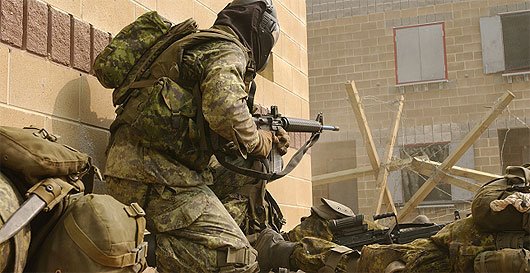
EX Vigilant Guardian - Ex VG 06 - Homepage
once again, the Canadian army impresses with a dedicated website for a military exercise...opswarfare feels that other armies have a lot to learn from them.
Sunday, 20 August 2006
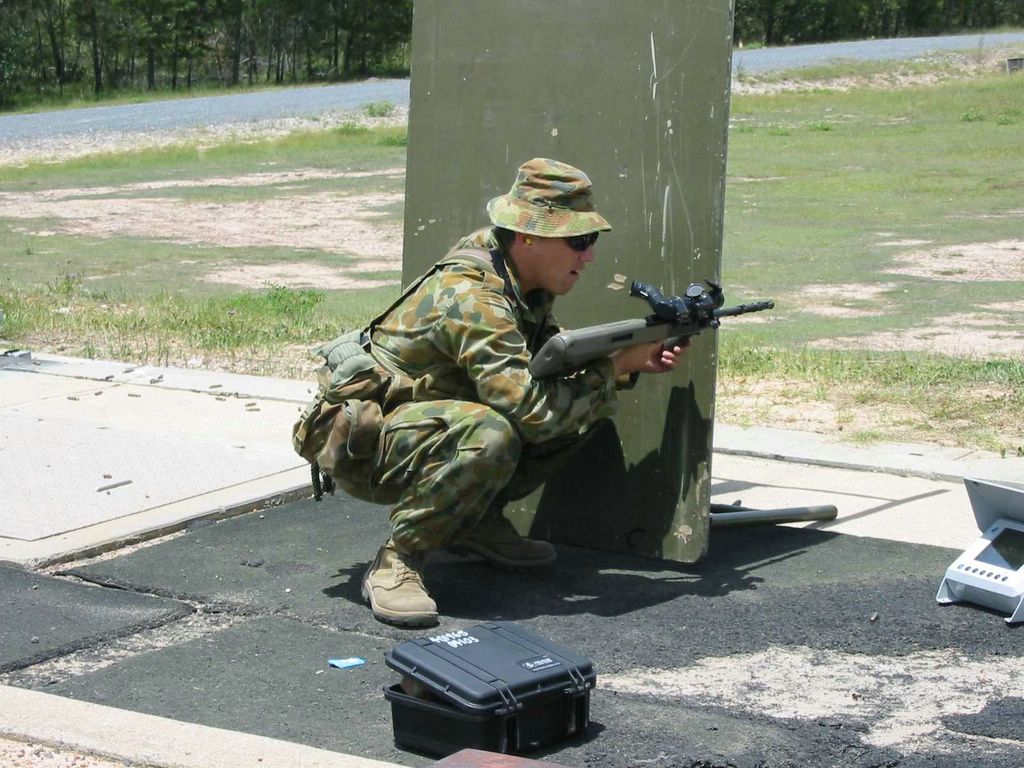
Off-Axis Viewing Device - DSTO

Simple solutions are often the best. The Defence Science and Technology Organisation (DSTO) developed the "round the corner" aiming scope. It seems that this is now used in combat by Australian troops in Iraq.
Thursday, 10 August 2006
Troops in Iraq 'under-equipped'
BBC NEWS | UK |
The above news story reminds opswarfare of a past posting that was looking at possible Landrover replacements. IEDs have become such a concern that "soft-skinned" vehicles may never be the same again...
The above news story reminds opswarfare of a past posting that was looking at possible Landrover replacements. IEDs have become such a concern that "soft-skinned" vehicles may never be the same again...
Monday, 24 July 2006
Hezbollah vs Israel - the military aspects
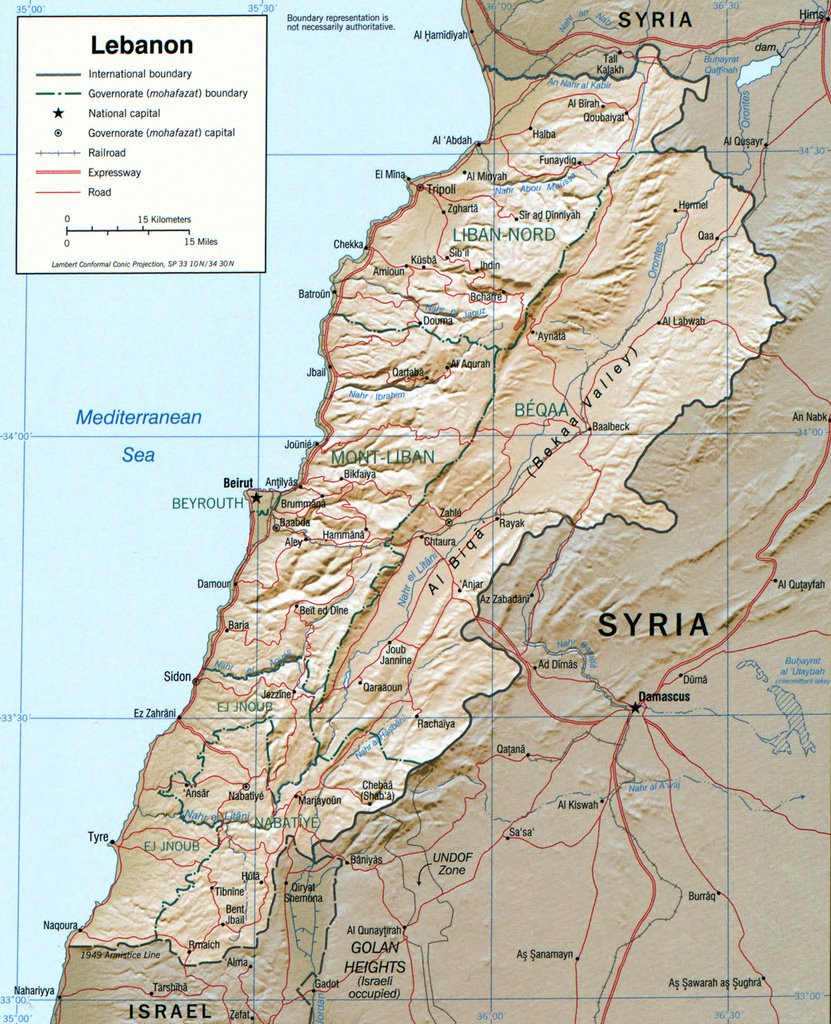
Avoiding the political angle of the conflict, opswarfare wishes to discuss the military aspects of this scenario, and how both sides can take the upper hand.
For Hezbollah, basically, they have to continue what they are doing now, and also in turn intensify their probing raids into the Israeli logistics tail. These raids create multiplier effects,
- disrupt enemy operations at their weak point
- find out more info about enemy built-up, especially forces held in reserve
- take the psychological upper hand (we still can strike you where it hurts)
- cause a portion of fighting soldiers to be left in the rear to help protect logistics units
-----------------------------------------------------------------------
As for Israel, it can consider conducting "thunder runs" if the terrain allows, and try to capture a "node" of the underground network intact. This may go some way into finding up more about the underground tunnels, plus also rocket storage areas.
The current air offensive basically cannot reap much benefits. Air-power-wise, Israel needs to use its UAVs (preferably high altitude type, to avoid MANPADS attacks) to detect rocket launching sites. Instead of attacking those sites, it may want to consider analysing the various sites to look for patterns, to try to locate the storage sites.
The special forces will have to utilise HUMINT to try to capture key Hezbollah leaders. This will help Israel win the war to "capture hearts and minds".
As long as both sides are allowed to operate without too much political "over-control", it will be an intriguing battle of tactics.
Sunday, 9 July 2006
demand and supply
opswarfare is exploring a "demand and supply" look into how to improve the Singapore Armed Forces (SAF). Normally, opswarfare prefers to look at things from the ground up. But just as a trial, perhaps one can also look at it first from what are the possible scenarios where the SAF would be deployed, either hypothetically or otherwise.
First most critical "demand" scenario is a threat to our sovereignty. This would be the most demanding, but also most hypothetical scenario. Looking first at a conventional warfare scenario, an aggressor would most likely launch airstrikes on key military installations to deal a knockout blow to the SAF. Such actions would definitely be planned well in advance. Electronic warfare would be key here, as electronic eavesdropping would reveal tell-tale signs of an impending strike.
As expected, SAF's capability in this area is not well publicised. Potential tools to consider (if SAF does not have them yet) would be monitoring equipment to "listen" in to the entire electromagnetic spectrum.
First most critical "demand" scenario is a threat to our sovereignty. This would be the most demanding, but also most hypothetical scenario. Looking first at a conventional warfare scenario, an aggressor would most likely launch airstrikes on key military installations to deal a knockout blow to the SAF. Such actions would definitely be planned well in advance. Electronic warfare would be key here, as electronic eavesdropping would reveal tell-tale signs of an impending strike.
As expected, SAF's capability in this area is not well publicised. Potential tools to consider (if SAF does not have them yet) would be monitoring equipment to "listen" in to the entire electromagnetic spectrum.
Subscribe to:
Posts (Atom)